Landscaping
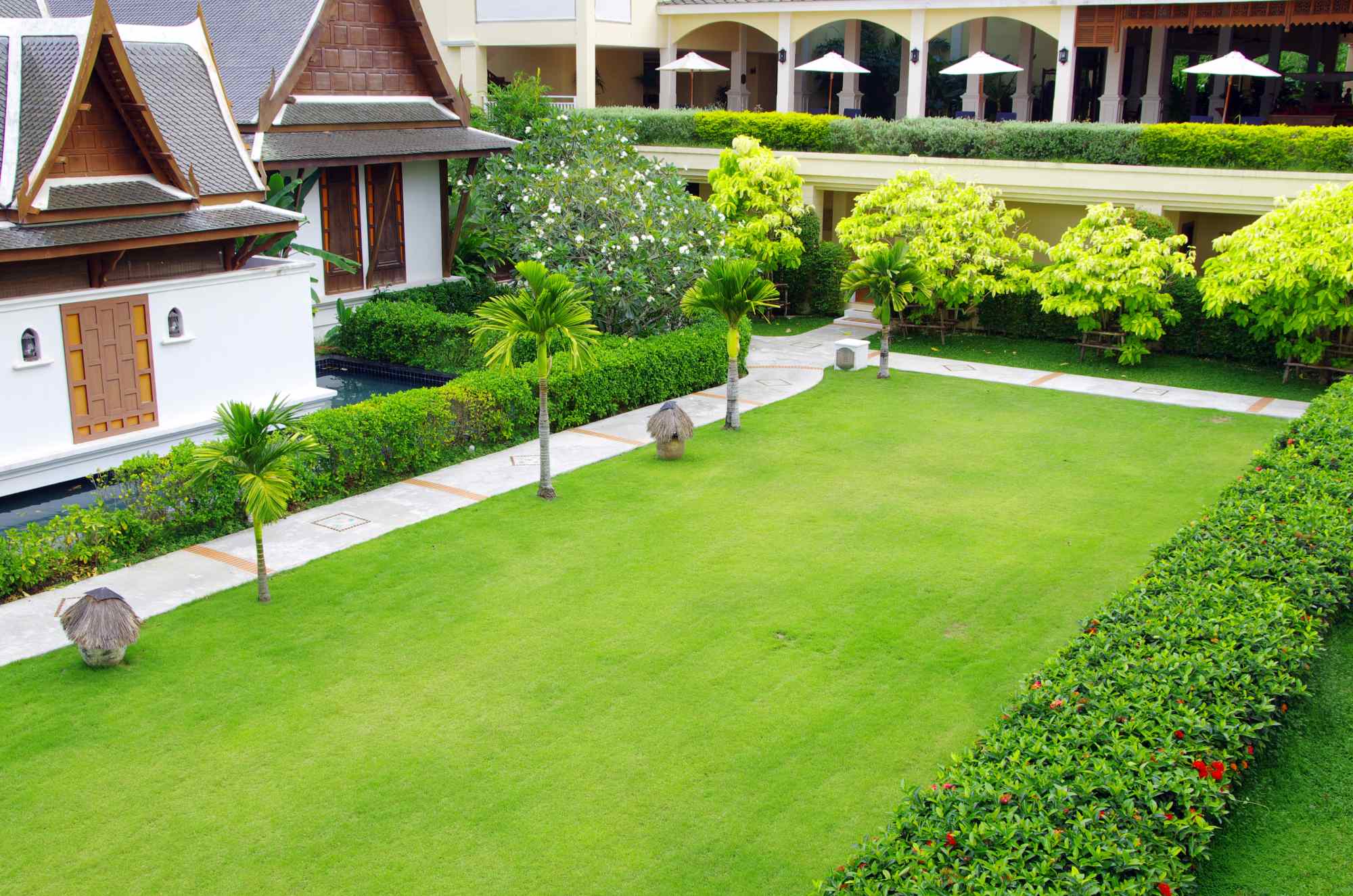
A well-designed landscape not only enhances the beauty of your outdoor space but also creates a functional area for relaxation and entertainment. Expert landscaping services can turn your vision into reality, whether you’re looking to create a tranquil garden retreat or a vibrant space for social gatherings. By combining creativity with technical expertise, landscaping professionals can design and execute projects that cater to your specific needs and preferences.
Landscaping is much more than just planting flowers and shrubs. It involves a comprehensive approach to design and maintenance that includes elements such as paving, synthetic grass, and lawn mowing. Paving can provide a stylish and durable surface for walkways, patios, and driveways, while synthetic grass offers a low-maintenance alternative to traditional lawns, perfect for those seeking a lush green appearance without the hassle of regular upkeep.
Synthetic turf supply and installation is a popular choice for those wanting a pristine lawn year-round. Modern synthetic grass mimics the look and feel of natural grass, offering an eco-friendly solution that saves time and resources. This option is particularly advantageous in areas with harsh climates or limited water resources, ensuring a green and inviting space regardless of environmental conditions.
Paving
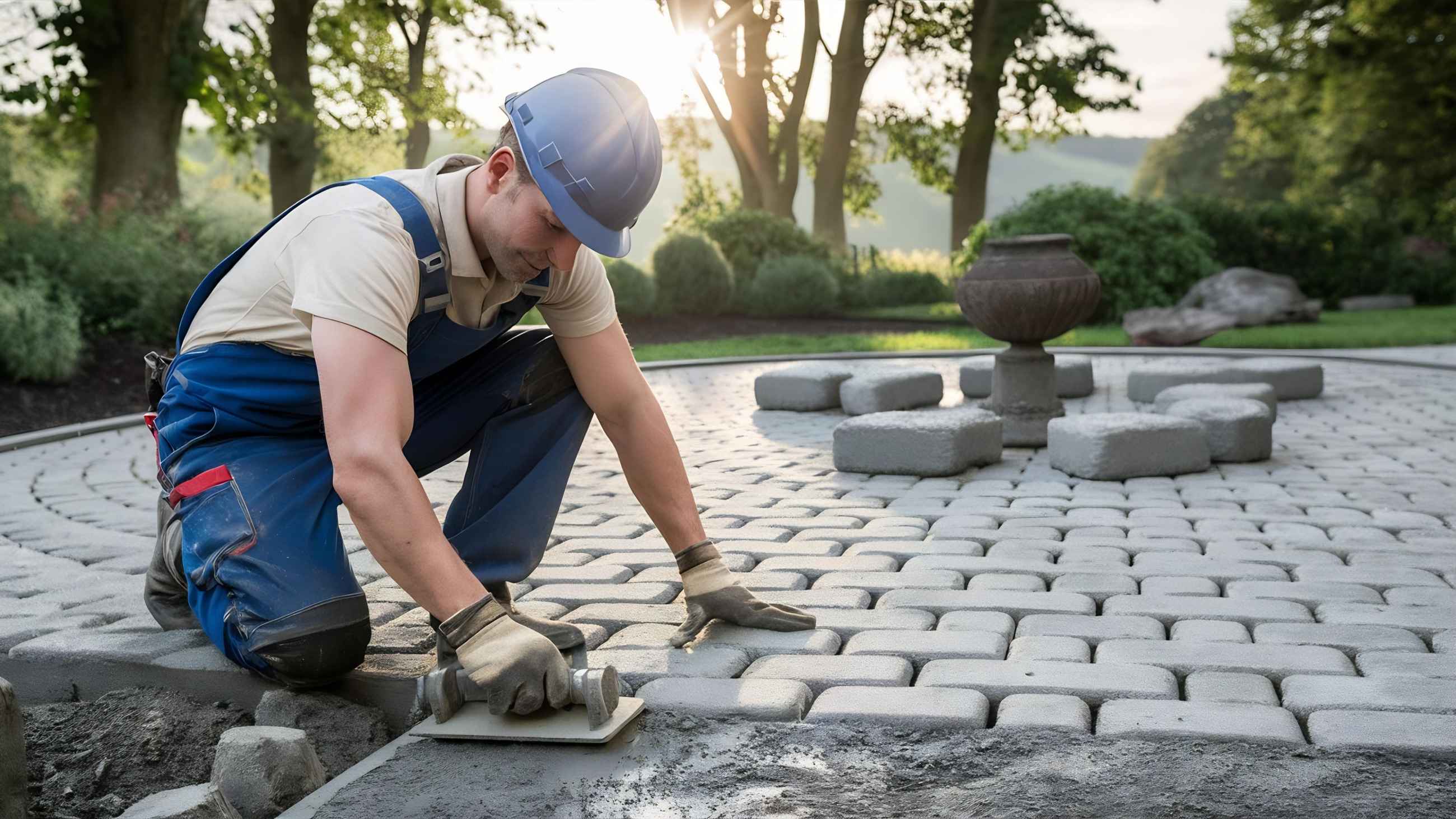
Paving is a crucial element in landscape design that goes beyond mere aesthetics. At its core, paving involves laying down durable surfaces that create functional pathways, driveways, and patios. This process transforms bare soil into structured, attractive areas that enhance both the beauty and usability of outdoor spaces.
Imagine stepping onto a well-paved path leading to your front door. The first impression is one of elegance and sophistication, achieved through carefully selected materials and expert installation. Paving can be customized with various materials such as bricks, stones, or concrete, each offering unique textures, colors, and patterns to complement your landscape design.
Beyond visual appeal, paving serves practical purposes. It provides a solid, stable surface for walking, driving, or entertaining, reducing the risk of erosion and muddy patches. Properly installed paving ensures a smooth, even surface that can handle daily wear and tear, making it a practical choice for high-traffic areas.
Synthetic Grass
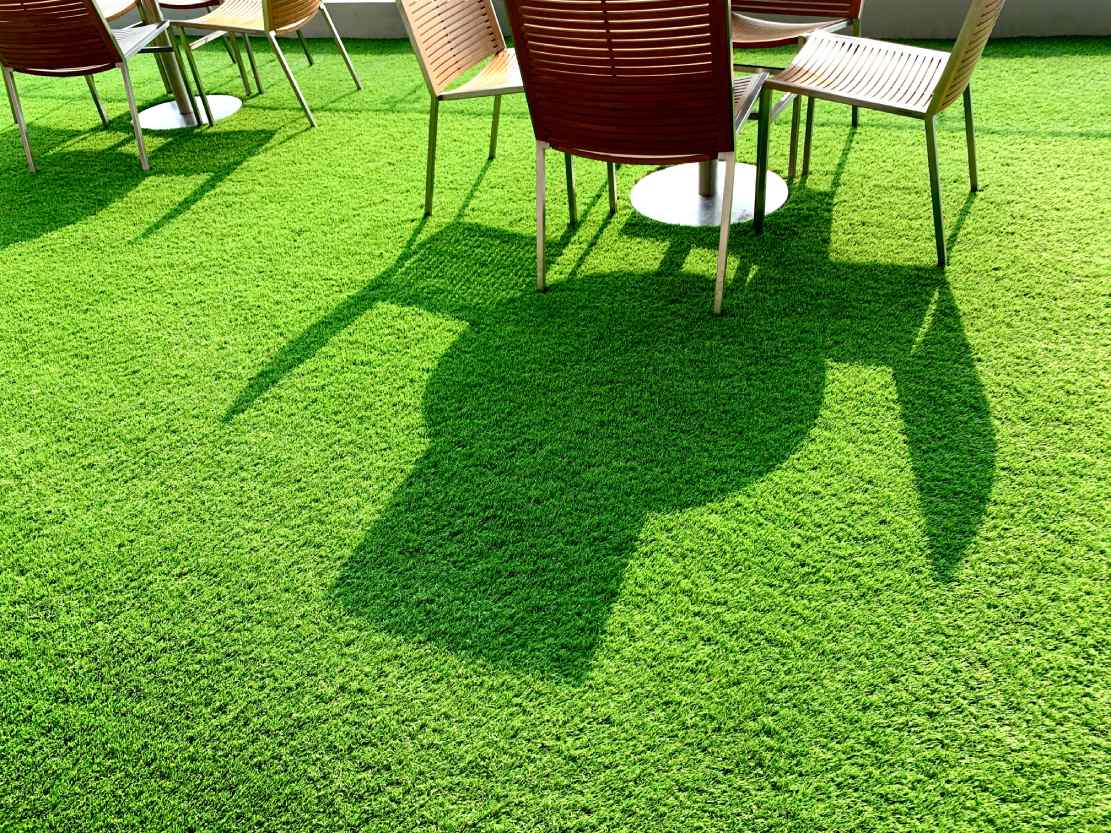
Synthetic grass has revolutionized landscaping by offering an attractive, low-maintenance alternative to natural lawns. Unlike traditional grass, synthetic turf doesn’t require mowing, watering, or fertilizing, making it an ideal choice for those looking to reduce upkeep while maintaining a lush, green appearance.
One of the primary advantages of synthetic grass is its consistency. Natural grass can suffer from uneven patches, bald spots, and brown areas, especially in high-traffic zones or during harsh weather conditions. Synthetic grass, however, provides a uniformly green and pristine look throughout the year, regardless of environmental challenges.
Durability is another key benefit. Synthetic turf is designed to withstand heavy use and extreme weather conditions, from scorching summer heat to heavy rain. This resilience makes it suitable for a variety of applications, including residential lawns, playgrounds, sports fields, and commercial spaces.
Lawn Mowing
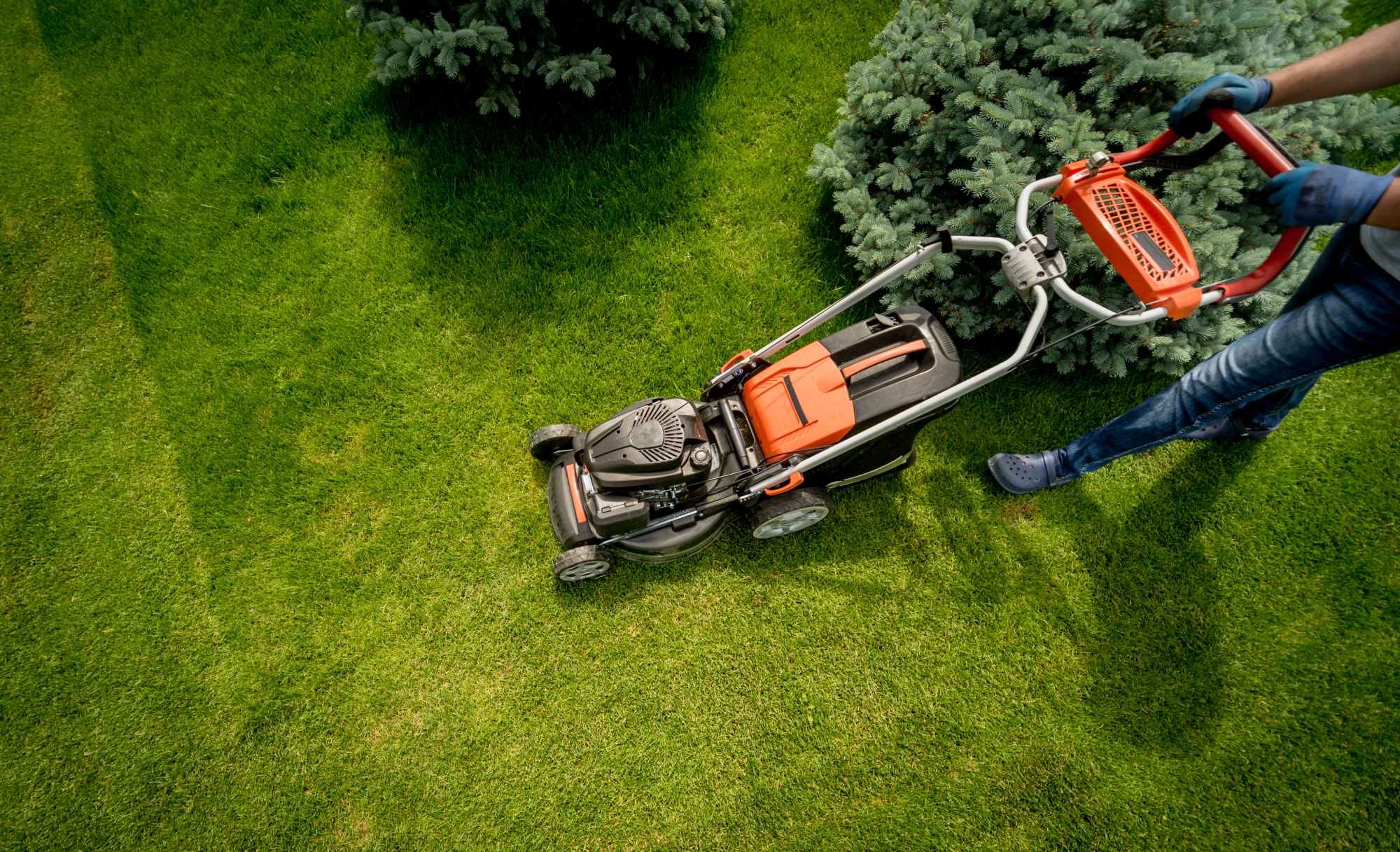
Lawn mowing is a fundamental aspect of lawn care that contributes significantly to the overall health and appearance of your outdoor space. Regular mowing helps maintain an even and lush lawn, creating a well-groomed and inviting environment.
At its core, lawn mowing involves cutting grass to a uniform height, which not only enhances the visual appeal but also promotes healthy growth. Regular mowing encourages grass to grow thicker and more robust, reducing the likelihood of weed infestation and improving the lawn’s resilience to pests and diseases.
The frequency of mowing depends on various factors, including the type of grass, the season, and the growth rate. During peak growing seasons, such as spring and summer, more frequent mowing may be required to keep the lawn at an optimal height. Conversely, in cooler months, mowing can be less frequent as grass growth slows down.
Pebbles
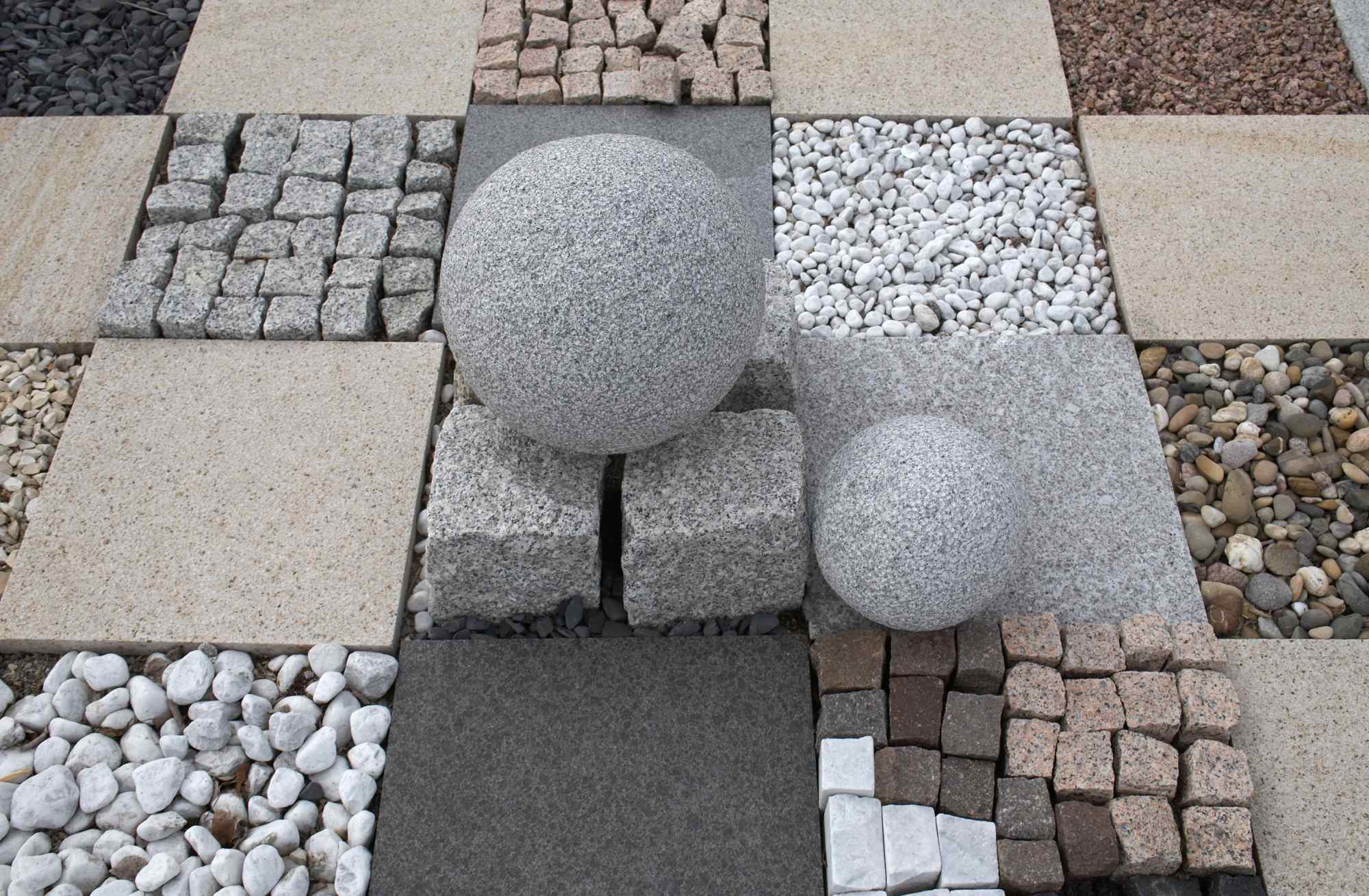
Pebbles are a versatile and visually appealing element in landscaping that can transform outdoor spaces with their natural charm and functionality. These small, rounded stones come in a variety of colors, sizes, and textures, offering numerous design possibilities for both aesthetic and practical purposes.
One of the primary advantages of using pebbles in landscaping is their ability to create visually striking and low-maintenance features. Whether used as ground cover, in garden beds, or along pathways, pebbles add a touch of elegance and can complement a range of design styles from contemporary to rustic. Their variety allows for creative expression, making it easy to achieve the desired look for any outdoor space.
Pebbles are highly effective for managing ground surfaces. They create a stable, well-draining layer that helps to prevent soil erosion and reduce water runoff. This makes them an excellent choice for areas prone to waterlogging or for covering slopes where soil stability is a concern. Their drainage capabilities also minimize the growth of weeds, as the pebbles create an environment that is less conducive to weed proliferation.
Artificial Grass Laying
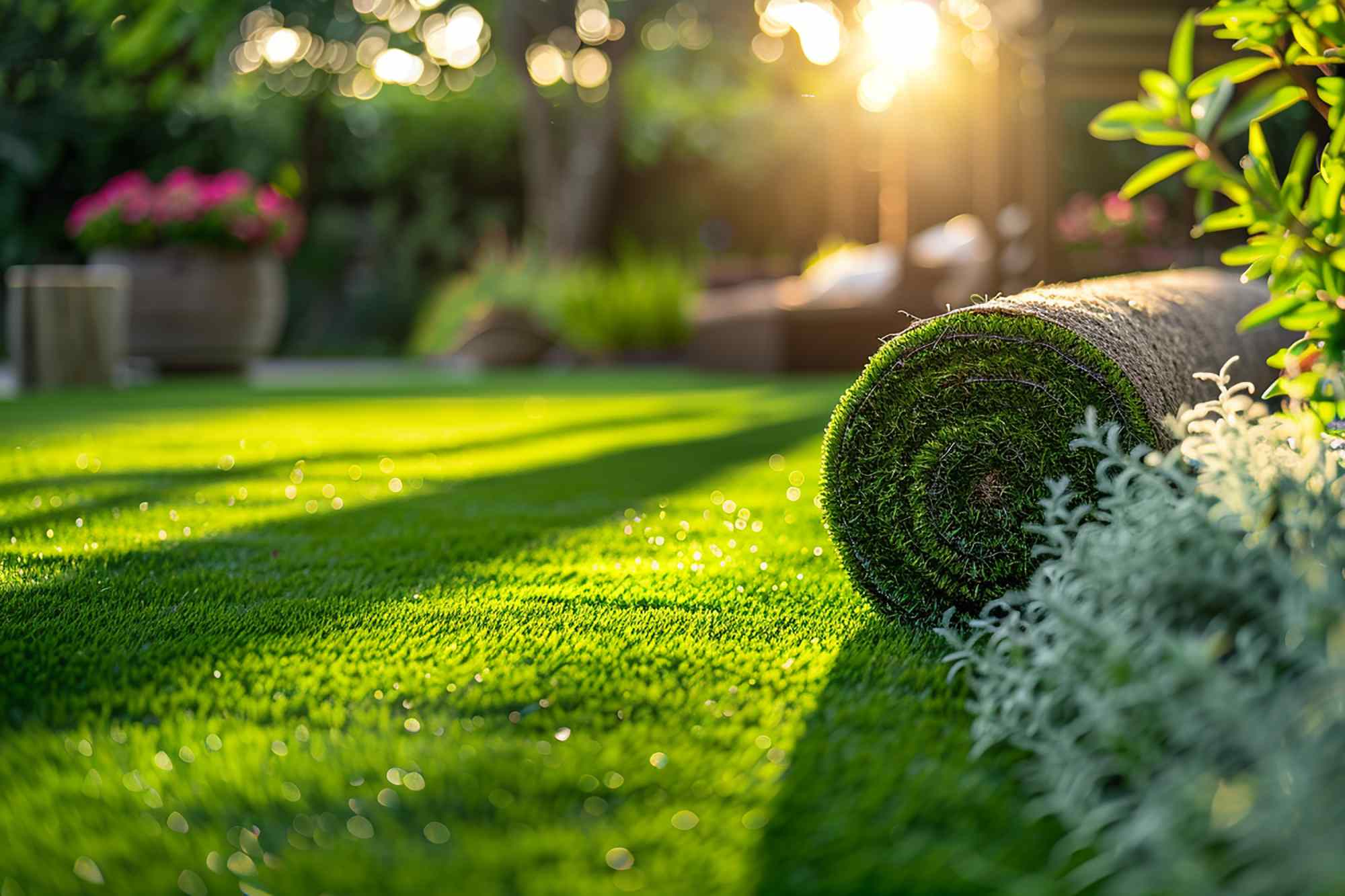
Artificial grass laying is a process that involves installing synthetic turf to create a realistic and low-maintenance lawn. The installation begins with proper site preparation, which includes clearing the area of existing grass, weeds, and debris. The ground is then leveled and compacted to ensure a smooth, stable surface for the turf.
Once the site is prepared, a weed barrier fabric is laid down to prevent any unwanted growth from coming through the artificial grass. This fabric also helps with drainage. Next, a layer of crushed stone or gravel is spread and compacted to create a well-draining base. This layer is crucial for ensuring that water flows away from the surface and prevents puddling.
The synthetic grass is then rolled out and cut to fit the area precisely. It's important to align the grass fibers in the same direction to achieve a uniform appearance. The edges of the grass are secured with landscaping staples or adhesive, and seams are joined with specialized tape or glue to ensure a seamless finish.